
I was 34. I had just left a fifteen-year career in corporate textiles — the kind of job where you spend half your week in board rooms explaining margin and the other half in factories watching women run machines that pay them three euros an hour.
I’d come home, take off the bra I’d been wearing for twelve hours, and find indentations on my ribs that lasted until morning. Every woman I knew did the same thing. We had all just quietly agreed that this was the cost of being dressed.
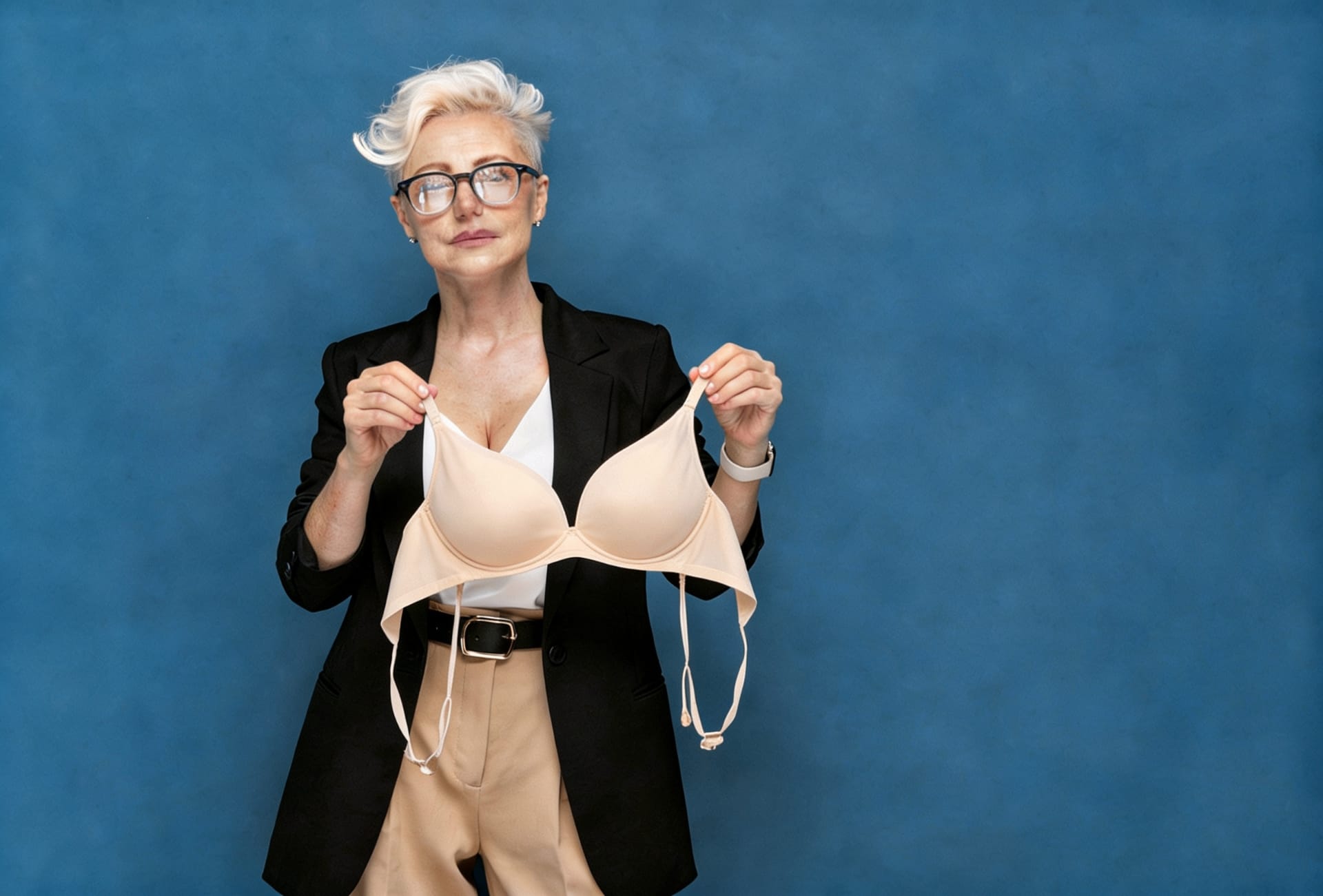
One night I unpicked one of my own bras at the kitchen table to see how it was made. Underneath the lace it was the cheapest possible sandwich of foam and plastic clips. The same cheap sandwich wholesaled into a brand selling it for €78.
I didn’t want to build a brand. I wanted to build a bra that stopped hurting me.
The first prototype took eleven months. I made it on a borrowed machine, in stolen evenings, with a pattern I’d redrawn nine times. I wore it for a week before I let anyone else see it. Then I made one for my sister. Then her friend. Then her friend’s mother, who had survived breast cancer and hadn’t found a comfortable bra in four years.
She cried when she put it on. I went home and cried too. That’s when I knew this wasn’t a hobby anymore.