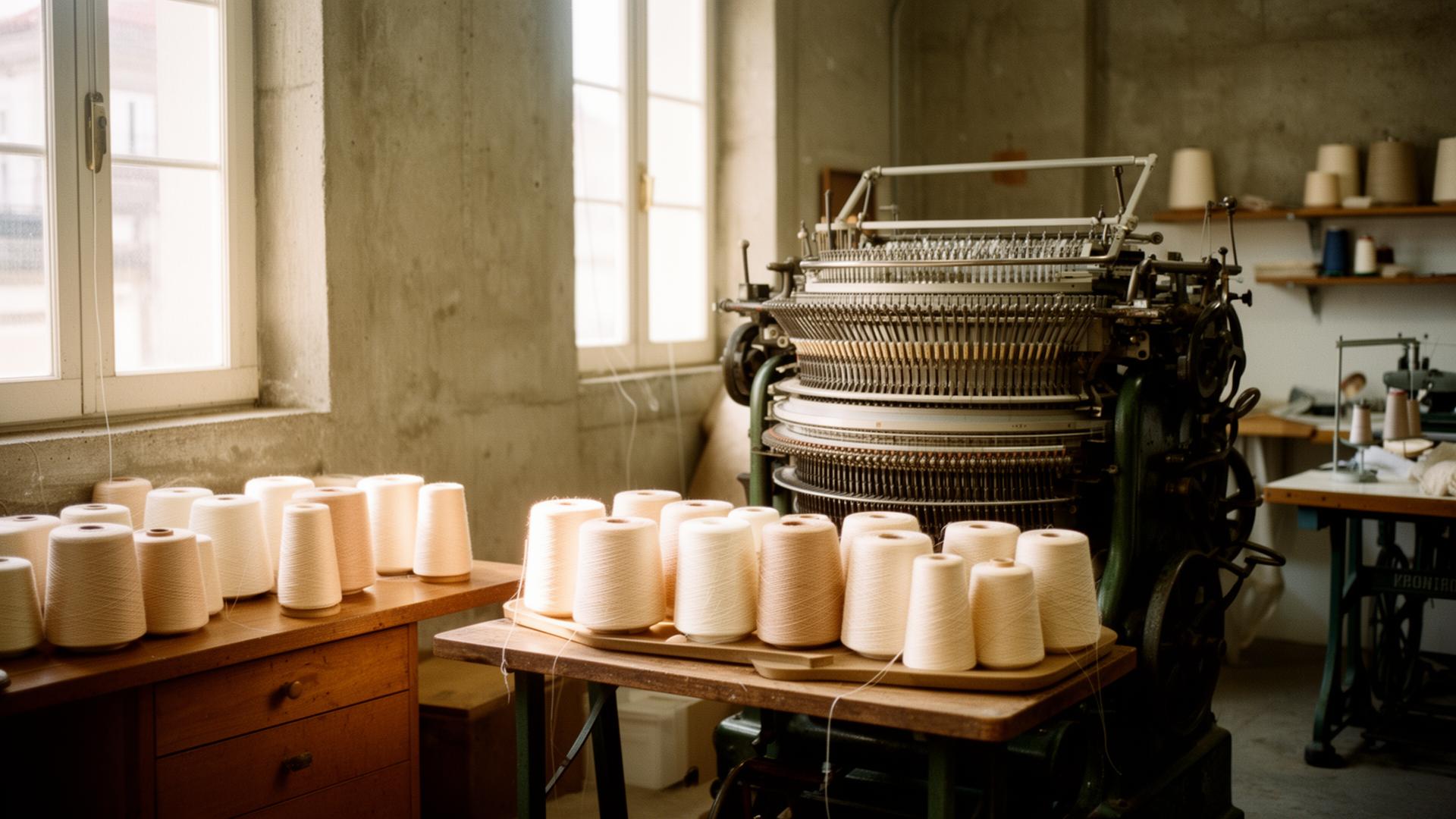

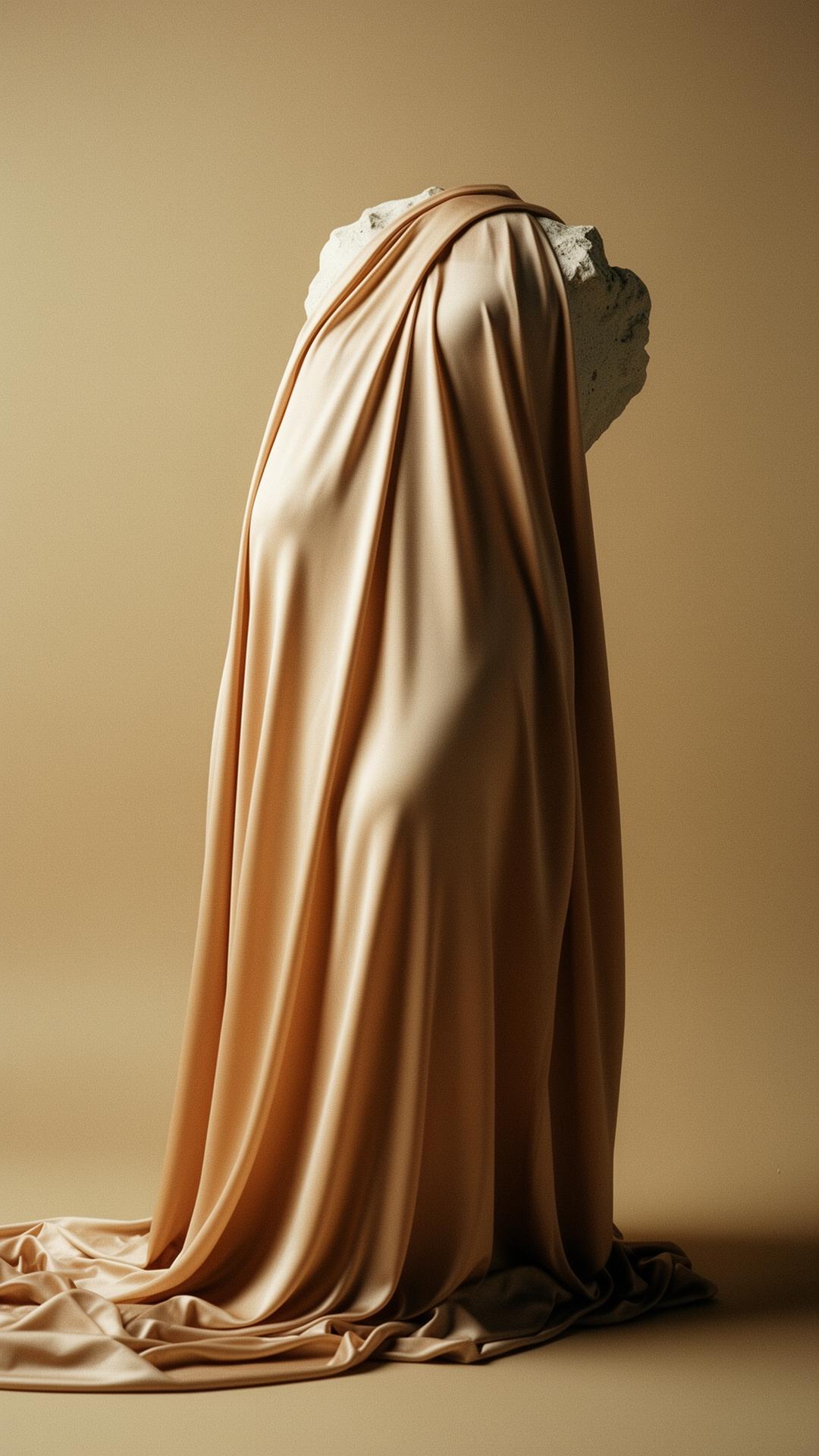
Prototype Nº1 was sewn from whatever I could find in 2018. It worked, but I knew the moment I started sourcing in volume that a piece that holds — without hurting — cannot be sewn on. It has to be spun in. So I went back to the yarn.
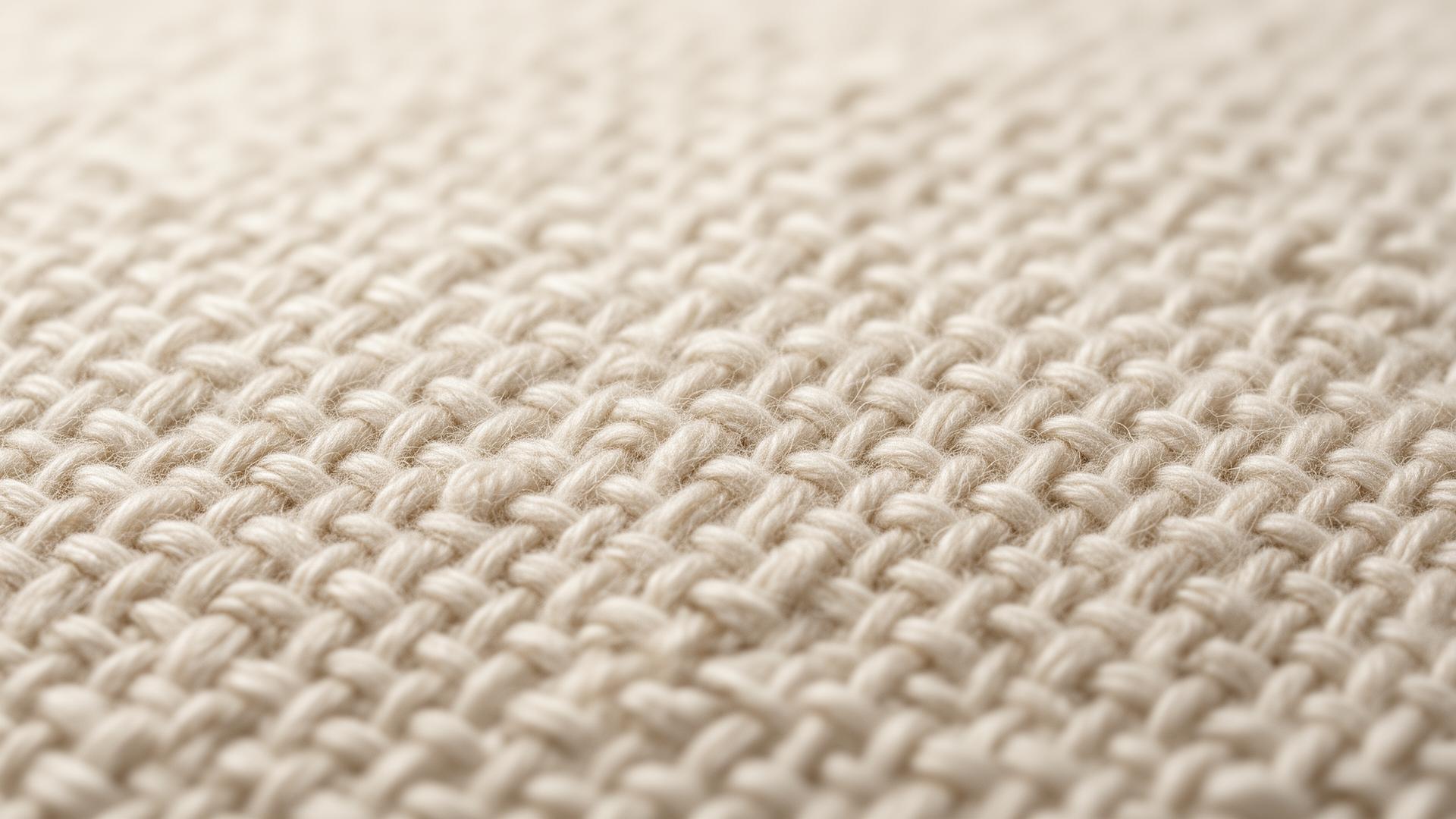
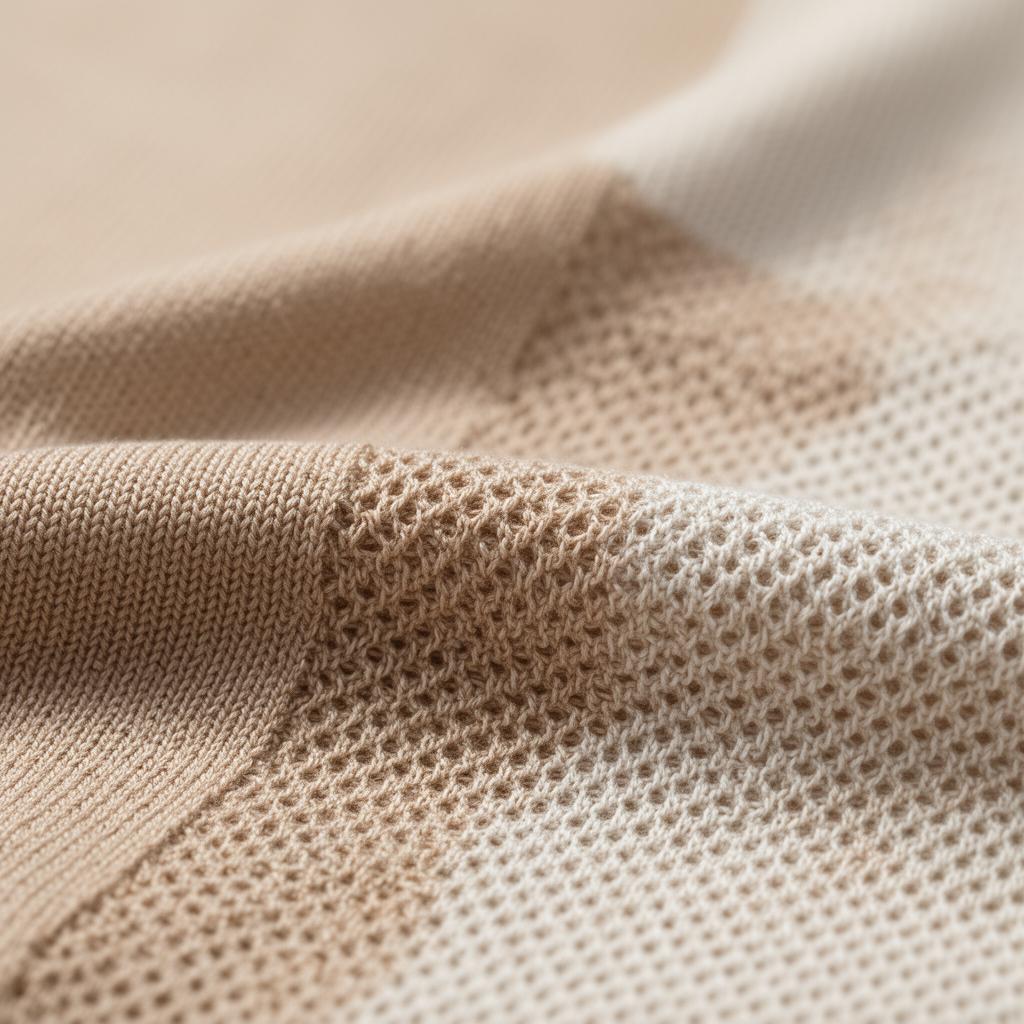
JellySoft is 82% recycled nylon, recovered from discarded fishing nets pulled out of the North Atlantic and post-consumer textile waste collected in the Iberian Peninsula. The remaining 18% is a high-tenacity elastane core that gives the fabric its memory — the reason the bodysuit you put on tonight will look the same on washday forty.
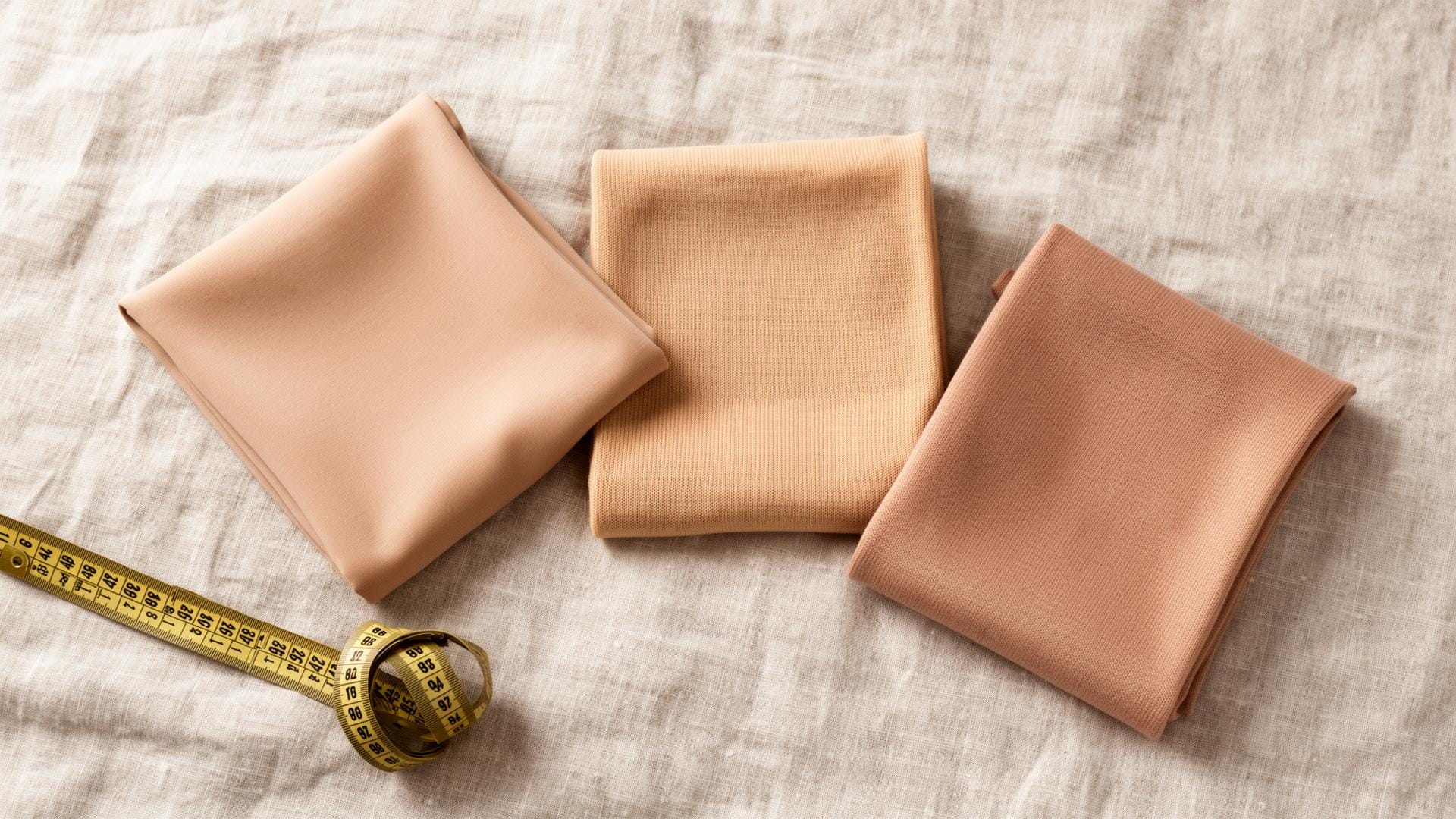
Every cone is bath-dyed at the fibre stage, not the fabric stage. That is the slower, more expensive way to do it, and it is the only way the nude tones on your skin still look like skin after a hundred washes — instead of fading into something grey and tired by the third month.
If the yarn isn’t honest, nothing downstream of it can be.
I refused nine suppliers before I signed the mill in Guimarães. The first ones could not match the recycled percentage without losing tensile strength. One could match it on paper, but the cones arrived inconsistent cone-to-cone — which means inconsistent stretch garment-to-garment, which means a woman somewhere is putting on a bodysuit that fits her wrong because of a spool she will never see. That isn’t a number I’m willing to round.